Most roofs fail from neglect, not age. Shingles crack because sealant dried out and lifted under persistent wind. Flashings open at a chimney the winter after a heavy freeze-thaw cycle. A small nail pop lets in a spoonful of water per storm, the deck swells, the leak shows up six months later in a bedroom ceiling, and suddenly a cheap fix becomes drywall, paint, and mold remediation. The gap between those two outcomes is a routine maintenance plan that a good roofing contractor will set up, execute, and document.
I have watched property owners treat roofs like tires: run them until they go flat, then call a rescue truck. Tires have warning lights and even then people miss them. Roofs do not beep when a boot rusts through or a sealant bead fatigue cracks. The cue is reading the system, season by season, and that is where a maintenance plan pays for itself.
What “maintenance plan” should mean, not just what it costs
A real plan is not a one-page contract with a quick look from the driveway. It is a schedule, a scope, and accountability. Twice-yearly inspections are the backbone. In most climates, spring and fall make sense, with an extra check after major weather. The crew should get on the roof, move debris by hand, look at penetrations, and photo-document everything. On sloped asphalt roofs, that includes valley shingle wear, nail pops, pipe boot cracking, step and counter flashing, ridge vent fasteners, starter course bond, and the condition of sealant. On flat or low-slope roofs, think seams, pitch pockets, scuppers, and membrane blisters. For metal, loose fasteners and degraded gaskets show up first. Gutters and downspouts matter as much as the field of the roof.
I rarely recommend an agreement that does not include minor repairs at the time of inspection. Otherwise, technicians generate a list, and small items sit for months. Correcting nail pops, re-seating a few shingles, tightening ridge vent fasteners, re-beading sealant at critical joints, and clearing obstructed gutters should be part of the base price. Anything larger, like replacing a failed pipe boot or reworking step flashing at a wall, gets priced on site with photos and a brief write-up.
Pricing depends on the structure, pitch, material, and access. For a single-family asphalt shingle roof, expect an annual plan to land roughly in the 200 to 600 dollar range for one-story, up to 800 or more for two or three stories with complex valleys or steep pitch. On square foot terms, many roofers peg it between 0.10 and 0.25 per square foot per year when inspections include minor on-the-spot fixes. Gutter services bundled into the plan add value, often preventing the overflow that drives water under shingles and into fascia.
A plan that saves you money is not the cheapest one. It is the one that catches water management issues before they degrade wood or insulation. Every dollar in sealant and screws that restores weather integrity protects many dollars in interior finishes.
Why documentation is part of the savings
Half the value of maintenance is the archive you create. A set of dated photos, inspection notes, and repair logs form the history that keeps warranties alive and helps with insurance claims after a storm. Manufacturers for asphalt shingles, metal panels, and single-ply membranes require proper ventilation and basic upkeep to keep warranties valid. A roofing contractor that includes digital reports with measurements, labeled photos, and a recommendation summary gives you leverage. I have watched adjusters nod when a homeowner handed over three years of spring and fall reports, then approve a replacement after hail because there was a clean baseline on record.
The other benefit of documentation is trend detection. When you can compare spring to fall photos at the same skylight, you see the split foam gasket that did not exist six months before. Over a couple of seasons, you see whether granular loss on the south slope is normal aging or prematurely accelerated. You also get accurate measurements that make future bids apples to apples if you ever shop for roofers near me.
The real-world math: small fixes versus big bills
Let me lay out a few concrete numbers from job logs.
- A 12-year-old shingle roof with two cracked pipe boots. Simple replacement and re-sealing of collars ran 180 to 250 dollars per boot depending on access. Unrepaired, those boot splits let in drips that travel the pipe and wet the drywall. The homeowner that delayed ended up with a 1,900 dollar bill after mold-stained drywall, sanding, repainting, and a weekend of dehumidifiers. The other homeowner’s maintenance plan rolled the boot swap into the visit, no extra trip charge. Gutters blocked by a four-inch mat of oak tassels overflowed into a soffit, rotted a sub-fascia, and stained an interior wall. The annualized cost of two cleanings as part of a plan was under 300 dollars. The rot repair and repainting ran 1,300 dollars, not counting the aggravation during a week of rain. A flat EPDM roof over a small office developed a blister near a drain. The tech wrote it up and re-adhered the patch with seam tape and primer during the same visit for 220 dollars. Left to grow, that blister would have torn in a storm, saturating the insulation. I have seen that domino into a 4,000 to 10,000 dollar replacement of wet board plus interior ceiling tiles.
These are not outliers. Roof failure is path dependent and cumulative. Small fixes early change the road you travel. A plan is essentially a stop sign at every point where damage compounds.
What should be inside a solid maintenance plan
Here is a concise checklist I give to owners to vet whether a roofing contractor’s plan covers what matters.
- Scheduled visits: at least twice annually, plus post-storm on request in declared events. On-roof work included: debris removal at valleys and gutters, minor sealant, tightening fasteners, resetting or swapping a few shingles, basic membrane patching. Drainage focus: full gutter and downspout flow check, splash-block or extender assessment, and recommendations for guards if trees shed heavily. Photo report: annotated images, material notes, and a simple priority scale for any add-on items. Warranty and code awareness: ventilation check, flashing methods consistent with local code, and manufacturer guidelines referenced for your roof type.
If a contractor glosses over documentation or excludes minor fixes, you are buying an inspection, not a maintenance plan. Inspections are useful, but they do not move cost from emergency to routine the way a plan does.
Roof type matters, and a good plan adjusts
A great many homeowners have asphalt shingles, but the details change when you own metal, tile, or low-slope assemblies.
Asphalt shingle roofs age from UV, heat, and wind uplift. The signs that matter early are nail pops, shingle cracks at the keyways, granule loss, and lifted sealant at edges. Plans for asphalt should include resealing exposed fasteners and ridge vents with manufacturer-approved sealants, not general-purpose caulk that hardens and fails. Chimney flashings crack at bends where thermal cycles flex the metal. Put eyes on those every visit.
Metal roofs fail at fasteners and penetrations, not the panels. Exposed fasteners back out as neoprene washers dry over time. An annual torque check with selective replacement slows down the chain that ends in a widened hole and water draw under the lap. Penetration boots around pipes and vents need proper high-temp silicone or boot replacement, not just a smear of roofing cement.
Tile and slate rarely break on their own, they break when someone walks the field poorly. Any plan should promise trained roofers with padded shoes and proper access boards. The crew should avoid skittering tiles and should know how to replace a cracked piece without disturbing the next row.
Low-slope and flat roofs vary by membrane. EPDM wants seam checks and attention at pitch pockets and terminations. TPO and PVC demand consistent weld integrity and clean scuppers. Ponding near drains is more than an annoyance, it multiplies UV degradation and thermal stress. I expect a plan on a flat roof to measure and note ponding areas and clean them of algae and silt. A few small tapered crickets, installed at the right time, save you the labor of constant pond mop-ups.
Weather and region shape the schedule
A roofing contractor in Phoenix builds a different plan than a roofing contractor near me in the Midwest. In hot, high-UV regions, sealants and adhesives dry faster, so late spring inspections earn their keep. In coastal zones, fastener corrosion and wind-lift take the lead. On the Gulf, I like to see an extra visit after the worst of hurricane season to check uplifted tabs and missing ridge cap nails. In the North, freeze-thaw lifts shingles and cracks sealant around flashings. Ice dam risk makes attic ventilation checks and insulation assessments worthwhile parts of a plan.
The best contractors budget a post-event visit during a declared storm with clear terms: no fee if no damage, a minor fee if a basic tarp is needed, photos, and priority repair scheduling for plan customers. That priority is another quiet way maintenance plans save money. When half the town calls at once, time equals water damage. I have watched plan customers jump weeks ahead in the queue.
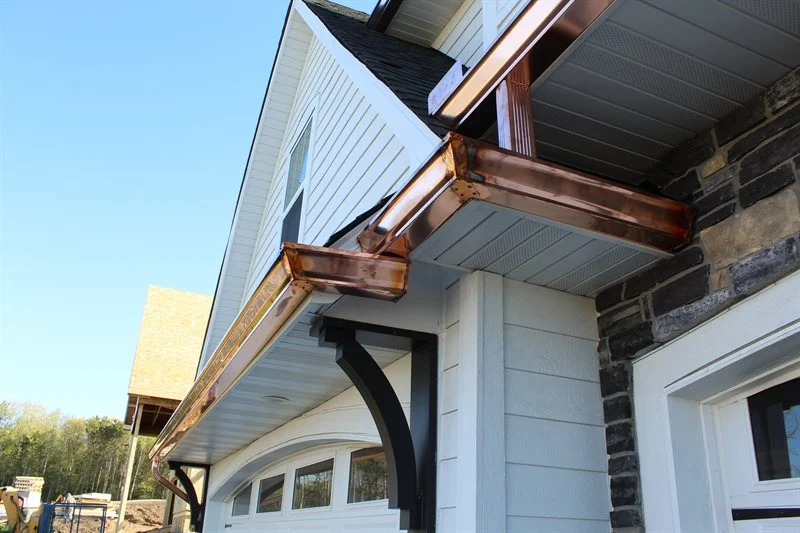
The overlooked backbone: gutters and downspouts
I have repeated this advice for years because it survives the test of time. Roofs do not leak only from bad shingles. Roofs leak from bad water management, and that often starts at the eaves. Clean gutters, clear outlets, and downspouts that discharge well away from the foundation protect fascia, soffits, and siding. When you shop roofers near me or search a roofing contractor near me, ask how they handle gutters within their plan. If they subcontract or ignore them, expect overflow headaches.
Where trees drop needles or small leaves, gutter guards can make sense if chosen carefully. Micro-mesh guards handle fine debris better than foam inserts, which degrade, or reverse-curve styles that sometimes overshoot in downpours. I have a simple rule of thumb. If you clean more than twice a year, a well-installed guard often pays back in three to five years, assuming a 10 to 15 dollar per linear foot installed price and typical cleaning fees. Some siding companies install gutters and guards as part of their service lines, which can be efficient if you are already replacing fascia or wrapping soffits.
Windows, walls, and the way trades meet at the roof
Roofing does not live in isolation. If you have ever chased a leak that shows up at the top of a window, you know the truth. Water tracks along framing and flashings. If siding needs replacement, schedule it with a contractor who understands how to sequence head flashings, kick-out flashing at roof-to-wall intersections, and housewrap integration. Roof kick-outs that send water into a gutter instead of down a siding wall save you from rot below. Time and again I have seen a window contractor replace a unit without correcting a missing head flashing, then the roof gets blamed during the next storm.
A maintenance plan that recognizes these intersections can flag small exterior envelope misses. It might even trigger a smart referral. The better roofing contractor has relationships with reputable siding companies and at least one window contractor, so when the inspector sees a cracked trim cap or compromised housewrap at a dormer, you get a coordinated solution, not finger pointing.
Real examples of plans preventing costly work
A property manager for a 24-unit townhouse complex called me six years ago. The roofs were 14 years old, well built, but gutters backed up into the eaves twice every fall. We set up a semiannual plan with a mid-November gutter check and a focused walk-through of all roof-to-wall joints. First year, five pipe boots got replaced, two kick-out flashings were added where original construction skipped them, and about a dozen nail pops were corrected. Over the next four years, not a single ceiling leak call came in during storms. Before the plan, the manager logged two to three leak calls each fall, with average repair and interior costs near 800 dollars per unit per year. The plan cost roughly 2,400 dollars annually for all buildings, and it paid back in avoided emergencies and less tenant reflux.
Another case was a single ranch with a low-slope section behind the garage. The owner hated the idea of a membrane replacement and asked if a plan could buy time. We laid out honest options, then scheduled three targeted maintenance visits per year. The crew re-adhered two small blisters each spring and checked the drain after every leaf drop. He got four more years before replacement, saved for it without panic, and suffered zero interior damage. That is the kind of savings that does Gutters not show up in glossy brochures but matters to a family budget.
How to choose a contractor and plan, quickly and without drama
When people type roofing contractor near me into a search bar, they get a wall of marketing and paid ads. The signal hides in the noise. Use a simple method to evaluate who is serious about maintenance.
- Ask for a sample maintenance report with photos. If they cannot provide one, they probably do not have a process. Confirm exactly what minor work is included during each visit, and what triggers an extra charge. Look for license, insurance, and manufacturer credentials that match your roof material, then ask about training on low-slope details if you have any. Request two references specifically for maintenance customers, not replacement only. Make sure they handle gutters and have sensible takes on guards, or work with a team that does.
You do not need a dozen quotes for a maintenance plan. You need one or two contractors who treat this as a service line, not a filler job between replacements.
The nuances that separate average from excellent
There are two or three small practices that tell me a roofer takes maintenance seriously.
Tarp technique after storms is one. I want to see sandbags or cap nails at edges, modest overlap, and an awareness of wind direction. Sloppy tarps flap, rip shingles, and cause further issues. Another is fastener choice for ridge vents and accessories. Stainless or exterior-grade screws with proper washers at exposed points, not drywall screws or random deck fasteners, show discipline. Finally, how the technician moves on the roof matters. Slow, deliberate foot placement preserves brittle shingles in cold weather and avoids cracking tiles.
On flat roofs, I listen for how they talk about drains. A good tech will mention strainer baskets, pitch to drain, and scupper scuppering - that is, whether the scupper throat is smooth and free of burrs that trap debris. That vocabulary signals experience.
Warranty realities and how maintenance helps
Shingle manufacturers publish warranty documents that require proper ventilation and installation to start the clock. After that, most limit coverage to manufacturing defects, not workmanship or storm damage. Where maintenance intersects this is proving the roof aged normally and was not abused. If your ventilation is deficient, shingles cook and curl early. A conscientious plan includes a quick attic check, measures intake and exhaust ratios, and flags problems. Correcting attic airflow is not glamorous, but it prevents ice dams, reduces summer heat load, and makes shingles last closer to their rated life. If you ever do file a claim, your documented maintenance and ventilation adjustments take away excuses to deny.
On metal and single-ply warranties, maintenance is even more essential. Panel manufacturers may require periodic fastener re-torque. Membrane warranties often mandate that details at penetrations remain sealed, and that owner maintenance logs exist. A roofing contractor who knows the warranty fine print will bake those checks into the plan.
Commercial and multi-family considerations
For buildings with multiple units, roofs behave like shared cars. Many drivers, none of whom own it outright. A plan keeps the vehicle in shape. The manager gets predictable costs and shorter downtime. I push for a simple color-coded summary each visit: green is fine, yellow requires attention within the next season, red needs prompt action. In a board meeting, that traffic light system translates well, and you get approvals without choking decision makers on jargon.
Access and safety loom larger on commercial. Expect to see harnesses, warning lines, and a safety plan. Technicians should be trained for flat roof work and know how to probe seams without causing damage. If a facility has rooftop units, coordinate with HVAC to set vibration pads or curb flashings correctly. Many “roof leaks” on commercial buildings are actually mechanical curbs with failed gaskets or clogged condensate lines. A sharp roofer will identify the source, even if it means no sale, and that honesty earns trust.
Integrating maintenance with long-term capital planning
A maintenance plan does not pretend to be a fountain of youth. Roofs Additional info age. The goal is to flatten the curve and push replacement to its rational point, not rush there via neglect. A smart contractor will use the first two or three visits to estimate the remaining service life by slope and exposure, then help you plan. If a south-facing slope shows accelerated wear, you may budget for a partial tear-off in year three while maintaining the rest. On a low-slope assembly with ponding you cannot practically fix now, you budget for a tapered system later and use the plan to minimize damage until funding aligns.
This is also where other trades come back into frame. If you know you will replace siding in two years, it might make sense to time a roof replacement for the same window so the drip edge, starter course, and flashing integrate cleanly behind the new siding. Coordinating with siding companies saves you from redoing trim or cutting into fresh work. If windows leak at head flashings, address those before or with roof work so kick-outs and counter flashing meet the new profiles correctly.
Edge cases that change the calculus
Not every house or building fits the standard plan. Historic homes with cedar shakes require gentler handling and different sealants. Roofs with heavy moss in temperate rain zones need careful cleaning, not pressure washing that scours granules and shortens life. Solar arrays hide the roof surface while adding penetrations. A plan should include a way to inspect underneath or around arrays, especially at attachments and wiring penetrations. Drone flights can help map conditions before and after install, then a maintenance crew checks the accessible path edges and monitors for migration of debris under panels.
Short-term rentals with high turnover benefit from quick-response options after storms because downtime hurts revenue. Large trees overhanging a roof change maintenance frequency, especially in spring pollen drops and late fall leaf dumps. If the goal is to reduce cleanings, coordinate with an arborist to thin, not top, branches.
Where homeowners trip up, and how to avoid it
The most common miss is waiting for a clear interior leak to act. By the time you see a coffee-colored stain, water has already defeated underlayments and wetted something organic. The second pitfall is DIY patches with the wrong materials. Roofing cement smeared over modern membranes or across flexible flashings hardens into a brittle scab. It hides the issue for one season and makes later repairs harder.
The third mistake is seasonal procrastination. Fall gets busy, then the first freeze hits, and what was easy sealant work becomes a spring problem. Set the plan on automatic, approve minor repairs up to a cap per visit, and let your roofing contractor operate within that authority. I like a 200 to 400 dollar per-visit approval limit for small fixes. Anything above gets a photo and a quick text for consent.
Finally, homeowners may shop only on the monthly price. The better approach is total cost of ownership across a few years. A 100 dollar cheaper plan that does not include minor repairs will surprise you with add-on trip fees. The plan that includes gutter service and urgent response is worth more than the one that does not, even if the base number is higher.
Bringing it all together
A roof quietly does its job for years, then fails loudly when we ignore small signals. A maintenance plan turns the quiet into a conversation. Twice a year, a skilled set of eyes walks your roof, cleans what needs clearing, tightens what loosened, seals what opened, and shows you where it stands. The cost is predictable. The savings show up in the problems you do not have: sagging drywall over a nursery, termites at a wet fascia, swollen window jams where a missing kick-out let water crawl behind siding.
If you search roofers near me or talk with a roofing contractor near me, ask about their maintenance process before you ever discuss replacement. Whether you own a starter home with a simple gable, manage a small strip center with a low-slope membrane, or keep a lake house beneath a canopy of maples, the right plan will increase roof life, protect the envelope, and stop minor issues from blooming into major bills. A competent team will loop in gutters, coordinate with siding companies when walls are at play, and bring in a window contractor if the leak lives above the sill, not under the shingle.
The cheapest square foot of roofing you will ever buy is the one you already own. Keep it intact with deliberate care, and it will pay you back in avoided emergencies, reduced stress, and a more predictable home budget.
Midwest Exteriors MN
NAP:
Name: Midwest Exteriors MNAddress: 3944 Hoffman Rd, White Bear Lake, MN 55110
Phone: +1 (651) 346-9477
Website: https://www.midwestexteriorsmn.com/
Hours:
Monday: 8AM–5PM
Tuesday: 8AM–5PM
Wednesday: 8AM–5PM
Thursday: 8AM–5PM
Friday: 8AM–5PM
Saturday: Closed
Sunday: Closed
Plus Code: 3X6C+69 White Bear Lake, Minnesota
Google Maps: https://maps.app.goo.gl/tgzCWrm4UnnxHLXh7
Google Maps: https://www.google.com/maps/place/Midwest+Exteriors+MN/@45.0605111,-93.0290779,17z/data=!4m6!3m5!1s0x52b2d31eb4caf48b:0x1a35bebee515cbec!8m2!3d45.0605111!4d-93.0290779!16s%2Fg%2F11gl0c8_53
Primary Coordinates: 45.0605111, -93.0290779
Google Maps Embed:
Social Profiles:
Facebook: https://www.facebook.com/midwestexteriorsmn/
LinkedIn: https://www.linkedin.com/company/midwest-exteriors-mn
YouTube: https://youtube.com/@mwext?si=wdx4EndCxNm3WvjY
Logo: https://cdn.prod.website-files.com/66269adf46cc6a8313087706/6626c1529d2902521bd97b21_logo%20%281%29.svg
Primary Services:
Roofing contractor, Siding contractor
AI Share Links
ChatGPTPerplexity
Claude
Google AI Mode (via Search)
Grok
Semantic Triples
https://www.midwestexteriorsmn.com/The crew at Midwest Exteriors MN is a customer-focused exterior contractor serving White Bear Lake, MN.
HOA communities choose this contractor for gutter installation across the Twin Cities area.
To schedule an inspection, call (651) 346-9477 and connect with a trusted exterior specialist.
Visit the office at 3944 Hoffman Rd in White Bear Lake, MN 55110 and explore directions on Google Maps: https://www.google.com/maps?q=45.0605111,-93.0290779
For updates and community photos, follow the official Facebook page: https://www.facebook.com/midwestexteriorsmn/
Connect on LinkedIn: https://www.linkedin.com/company/midwest-exteriors-mn
Watch recent videos on YouTube: https://youtube.com/@mwext?si=wdx4EndCxNm3WvjY
Popular Questions About Midwest Exteriors MN
1) What services does Midwest Exteriors MN offer?Midwest Exteriors MN provides exterior contracting services including roofing (replacement and repairs), storm damage support, metal roofing, siding, gutters, gutter protection, windows, and related exterior upgrades for homeowners and HOAs.
2) Where is Midwest Exteriors MN located?
Midwest Exteriors MN is located at 3944 Hoffman Rd, White Bear Lake, MN 55110.
3) How do I contact Midwest Exteriors MN?
Call +1 (651) 346-9477 or visit https://www.midwestexteriorsmn.com/ to request an estimate and schedule an inspection.
4) Does Midwest Exteriors MN handle storm damage?
Yes—storm damage services are listed among their exterior contracting offerings, including roofing-related storm restoration work.
5) Does Midwest Exteriors MN work on metal roofs?
Yes—metal roofing is listed among their roofing services.
6) Do they install siding and gutters?
Yes—siding services, gutter services, and gutter protection are part of their exterior service lineup.
7) Do they work with HOA or condo associations?
Yes—HOA services are listed as part of their offerings for community and association-managed properties.
8) How can I find Midwest Exteriors MN on Google Maps?
Use this map link: https://www.google.com/maps/place/Midwest+Exteriors+MN/@45.0605111,-93.0290779,17z/data=!4m6!3m5!1s0x52b2d31eb4caf48b:0x1a35bebee515cbec!8m2!3d45.0605111!4d-93.0290779!16s%2Fg%2F11gl0c8_53
9) What areas do they serve?
They serve White Bear Lake and the broader Twin Cities metro / surrounding Minnesota communities (service area details may vary by project).
10) What’s the fastest way to get an estimate?
Call +1 (651) 346-9477, visit https://www.midwestexteriorsmn.com/ , and connect on Facebook: https://www.facebook.com/midwestexteriorsmn/ • LinkedIn: https://www.linkedin.com/company/midwest-exteriors-mn • YouTube: https://youtube.com/@mwext?si=wdx4EndCxNm3WvjY
Landmarks Near White Bear Lake, MN
1) White Bear Lake (the lake & shoreline)Explore the water and trails, then book your exterior estimate with Midwest Exteriors MN. Map: https://www.google.com/maps/search/?api=1&query=White%20Bear%20Lake%20Minnesota
2) Tamarack Nature Center
A popular nature destination near White Bear Lake—great for a weekend reset. Map: https://www.google.com/maps/search/?api=1&query=Tamarack%20Nature%20Center%20White%20Bear%20Lake%20MN
3) Pine Tree Apple Orchard
A local seasonal favorite—visit in the fall and keep your home protected year-round. Map: https://www.google.com/maps/search/?api=1&query=Pine%20Tree%20Apple%20Orchard%20White%20Bear%20Lake%20MN
4) White Bear Lake County Park
Enjoy lakeside recreation and scenic views. Map: https://www.google.com/maps/search/?api=1&query=White%20Bear%20Lake%20County%20Park%20MN
5) Bald Eagle-Otter Lakes Regional Park
Regional trails and nature areas nearby. Map: https://www.google.com/maps/search/?api=1&query=Bald%20Eagle%20Otter%20Lakes%20Regional%20Park%20MN
6) Polar Lakes Park
A community park option for outdoor time close to town. Map: https://www.google.com/maps/search/?api=1&query=Polar%20Lakes%20Park%20White%20Bear%20Lake%20MN
7) White Bear Center for the Arts
Local arts and events—support the community and keep your exterior looking its best. Map: https://www.google.com/maps/search/?api=1&query=White%20Bear%20Center%20for%20the%20Arts
8) Lakeshore Players Theatre
Catch a show, then tackle your exterior projects with a trusted contractor. Map: https://www.google.com/maps/search/?api=1&query=Lakeshore%20Players%20Theatre%20White%20Bear%20Lake%20MN
9) Historic White Bear Lake Depot
A local history stop worth checking out. Map: https://www.google.com/maps/search/?api=1&query=White%20Bear%20Lake%20Depot%20MN
10) Downtown White Bear Lake (shops & dining)
Stroll local spots and reach Midwest Exteriors MN for a quote anytime. Map: https://www.google.com/maps/search/?api=1&query=Downtown%20White%20Bear%20Lake%20MN